Dance music is music composed specifically to facilitate or accompany dancing. It can be either a whole piece or part of a larger musical arrangement. In terms of performance, the major categories are live dance music and recorded dance music. While there exist attestations of the combination of dance and music in ancient history (for example Ancient Greek vases sometimes show dancers accompanied by musicians), the earliest Western dance music that we can still reproduce with a degree of certainty are old-fashioned dances. In the Baroque period, the major dance styles were noble court dances (see Baroque dance). In the classical music era, the minuet was frequently used as a third movement, although in this context it would not accompany any dancing. The waltz also arose later in the classical era. Both remained part of the romantic music period, which also saw the rise of various other nationalistic dance forms like the barcarolle, mazurka, ecossaise, ballade and polonaise.
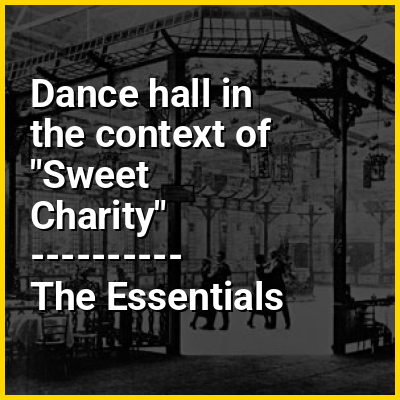
Modern popular dance music initially emerged from late 19th century's Western ballroom and social dance music. During the early 20th century, ballroom dancing gained popularity among the working class who attended public dance halls. Dance music became enormously popular during the 1920s. In the 1930s, known as the Swing era, Swing music was the popular dance music in America. In the 1950s, rock and roll became the popular dance music. The late 1960s saw the rise of soul and R&B music. Dominican and Cuban New Yorkers created the popular salsa dance in the late 1960s which stemmed from the Latin music genre of salsa. The rise of disco in the early 1970s led to dance music becoming popular with the public. By the late 1970s, electronic dance music was developing. This music, made using electronics, is a style of popular music commonly played in nightclubs, radio stations, shows and raves. Many subgenres of electronic dance music have evolved.