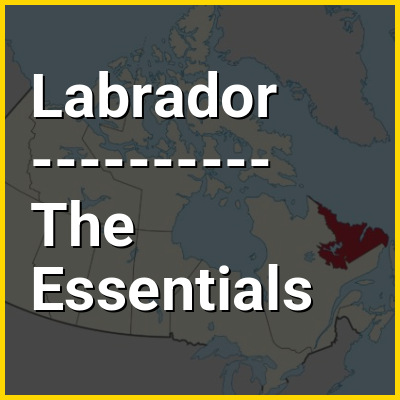
Newfoundland was a British Dominion in eastern North America, today the modern Canadian province of Newfoundland and Labrador. It included the island of Newfoundland, and Labrador on the continental mainland. Newfoundland was one of the original dominions under the Balfour Declaration of 1926, and accordingly enjoyed a constitutional status equivalent to the other dominions of the time. Its dominion status was confirmed by the Statute of Westminster, 1931, although the statute was not otherwise applicable to Newfoundland.
In 1934, Newfoundland became the only dominion to give up its self-governing status, which ended 79 years of self-government. The abolition of self-government came about because of a crisis in Newfoundland's public finances in 1932. Newfoundland had accumulated a significant amount of debt by building a railway across the island, which was completed in the 1890s, and by raising its own regiment during the First World War. In November 1932, the government warned that Newfoundland would default on payments on the public debt. The British government quickly established the Newfoundland Royal Commission to inquire into and report on the position. The commission's report, published in October 1933, recommended that Newfoundland give up self-government temporarily and allow the United Kingdom to administer it by an appointed commission.