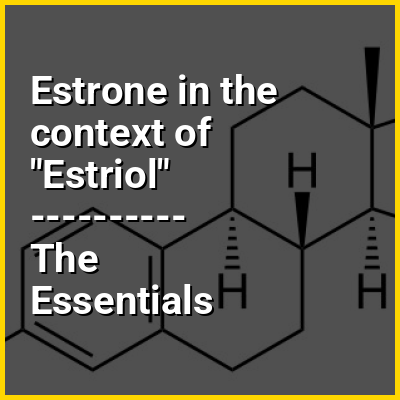
Bioidentical hormone replacement therapy (BHRT), also known as bioidentical hormone therapy (BHT) or natural hormone therapy, is the use of hormones that are identical on a molecular level with endogenous hormones in hormone replacement therapy. It may also be combined with blood and saliva testing of hormone levels, and the use of pharmacy compounding to obtain hormones in an effort to reach a targeted level of hormones in the body. A number of claims by some proponents of BHT have not been confirmed through scientific testing. Specific hormones used in BHT include estrone, estradiol, progesterone, testosterone, dehydroepiandrosterone (DHEA), and estriol.
Custom-compounded BHT is a practice almost wholly restricted to the United States and is a form of alternative medicine. It has been promoted as a panacea for many diseases and for relieving the symptoms of menopause beyond the medical objective of reducing the risk of osteoporosis. There is little evidence to support these incremental claims; the hormones are expected to have the same risks and benefits as comparable approved drugs for which there is evidence based on extensive research and regulation, except for progesterone, which may have an improved safety profile than artificial progestogens, though direct comparisons with progestins have not been made. Risks associated with the less-controlled process of compounding bioidentical hormones are not clearly understood. In addition, the accuracy and efficacy of saliva testing have not been definitively proven, and the long-term effects of using blood testing to reach target levels of hormones have not been researched.