Energy poverty in the context of "Energy poverty and cooking"

Play Trivia Questions online!

or

Skip to study material about Energy poverty in the context of "Energy poverty and cooking"

Ad spacer

⭐ Core Definition: Energy poverty

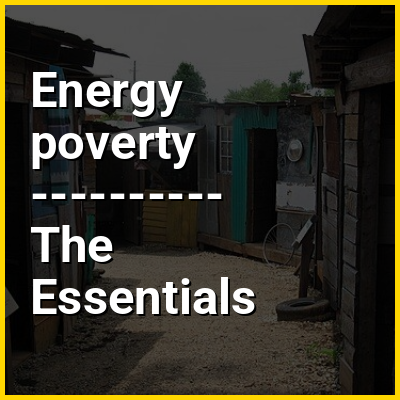
In developing countries and some areas of more developed countries, energy poverty is lack of access to modern energy services in the home. In 2022, 759 million people lacked access to consistent electricity and 2.6 billion people used dangerous and inefficient cooking systems. Their well-being is negatively affected by very low consumption of energy, use of dirty or polluting fuels, and excessive time spent collecting fuel to meet basic needs.

Predominant indices for measuring the complex nature of energy poverty include the Energy Development Index (EDI), the Multidimensional Energy Poverty Index (MEPI), and Energy Poverty Index (EPI). Both binary and multidimensional measures of energy poverty are required to establish indicators that simplify the process of measuring and tracking energy poverty globally. Energy poverty often exacerbates existing vulnerabilities amongst underprivileged communities and negatively impacts public and household health, education, and women's opportunities.
↓ Menu

>>>PUT SHARE BUTTONS HERE<<<

👉 Energy poverty in the context of Energy poverty and cooking

One aspect of energy poverty is lack of access to clean, modern fuels and technologies for cooking. As of 2020, more than 2.6 billion people in developing countries routinely cook with fuels such as wood, animal dung, coal, or kerosene. Burning these types of fuels in open fires or traditional stoves causes harmful household air pollution, resulting in an estimated 3.8 million deaths annually according to the World Health Organization (WHO), and contributes to various health, socio-economic, and environmental problems.

A high priority in global sustainable development is making clean cooking facilities universally available and affordable. Stoves and appliances that run on electricity, liquid petroleum gas (LPG), piped natural gas (PNG), biogas, alcohol, and solar heat meet WHO guidelines for clean cooking. Universal access to clean cooking facilities would benefit the environment and gender equality greatly.

↓ Explore More Topics
In this Dossier

Energy poverty in the context of Household energy insecurity

Household energy insecurity refers to a household's inability to meet its energy needs. Household energy insecurity is a broad framework that includes a household's inability to afford energy costs as one of several factors in a household's ability to meet energy needs. Household energy insecurity is influenced by both internal and external factors such as energy cost, household income, housing conditions, and personal behavior. The relevance of these factors may vary by geographic region, such as country or community, and the level of development of energy infrastructure. Household energy insecurity is sometimes referred to as fuel poverty or as a form of energy poverty.

↑ Return to Menu

Energy poverty in the context of Sustainable energy

Energy is sustainable if it "meets the needs of the present without compromising the ability of future generations to meet their own needs." Definitions of sustainable energy usually look at its effects on the environment, the economy, and society. These impacts range from greenhouse gas emissions and air pollution to energy poverty and toxic waste. Renewable energy sources such as wind, hydro, solar, and geothermal energy can cause environmental damage but are generally far more sustainable than fossil fuel sources.

The role of non-renewable energy sources in sustainable energy is controversial. Nuclear power does not produce carbon pollution or air pollution, but has drawbacks that include radioactive waste, the risk of nuclear proliferation, and the risk of accidents. Switching from coal to natural gas has environmental benefits, including a lower climate impact, but may lead to a delay in switching to more sustainable options. Carbon capture and storage can be built into power plants to remove their carbon dioxide (CO2) emissions, but this technology is expensive and has rarely been implemented.

↑ Return to Menu