Substance misuse, also known as drug misuse or, in older vernacular, substance abuse, is the use of a drug in amounts or by methods that are harmful to the individual or others. It is a form of substance-related disorder, differing definitions of drug misuse are used in public health, medical, and criminal justice contexts. In some cases, criminal or anti-social behavior occurs when some persons are under the influence of a drug, and may result in long-term personality changes in individuals. In addition to possible physical, social, and psychological harm, the use of some drugs may also lead to criminal penalties, although these vary widely depending on the local jurisdiction.
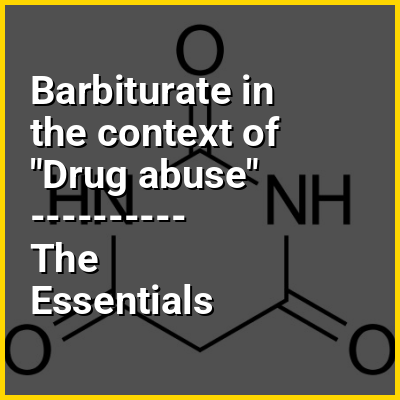
Drugs most often associated with this term include alcohol, amphetamines, barbiturates, benzodiazepines, cannabis, cocaine, hallucinogens, methaqualone, and opioids. The exact cause of substance abuse is sometimes clear, but there are two predominant theories: either a genetic predisposition or most times a habit learned or passed down from others, which, if addiction develops, manifests itself as a possible chronic debilitating disease. It is not easy to determine why a person misuses drugs, as there are multiple environmental factors to consider. These factors include not only inherited biological influences (genes), but there are also mental health stressors such as overall quality of life, physical or mental abuse, luck and circumstance in life and early exposure to drugs that all play a huge factor in how people will respond to drug use.