Materials covered in this trivia questions quiz
Study Hint 1
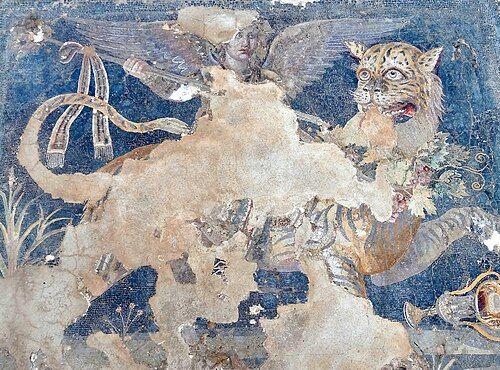
Question: In the context of Hellenization, the mosaics of Delos demonstrate the process of cultural adoption as they…
Trivia Question Study Fact: Hellenization, the spread of Greek culture, occurred not only through colonization but also through conquest, particularly following the campaigns of Alexander the Great, leading to the adoption of Greek customs, language, and religion by previously non-Greek populations.
Trivia Question Explanation: Following Alexander the Great’s conquests, areas like Delos experienced a blending of Greek cultural influences with existing local traditions, which is visibly reflected in the artistic styles of the mosaics created during that period.
Return to Question
Study Hint 2
Question: In the context of Hellenization, the widespread adoption of Greek culture in territories conquered by Alexander the Great primarily involved which of the following?
Trivia Question Study Fact: Hellenization, the spread of Greek culture, occurred not only through colonization but also as a result of conquest, particularly following the campaigns of Alexander the Great, leading to the adoption of Greek customs, religion, language, and identity by previously non-Greek populations.
Trivia Question Explanation: Following Alexander the Great’s conquests, Hellenization wasn’t solely about forced conversion, but rather the increasing acceptance and integration of Greek cultural elements – language, religion, and identity – into the lives of the people in those regions.
Return to Question
Study Hint 3
Question: In the context of the City Dionysia, the Mosaics of Delos are considered significant primarily for what aspect of Athenian culture?
Trivia Question Study Fact: The City Dionysia and Rural Dionysia were two interconnected festivals in ancient Athens, both dedicated to the god Dionysus. While both were significant, the City Dionysia was the second most important festival in Athens, surpassed only by the Panathenaia, and is particularly known for its theatrical performances of tragedies and comedies.
Trivia Question Explanation: The City Dionysia was renowned for its theatrical performances, specifically the presentation of tragedies and comedies. While mosaics might exist depicting various aspects of Athenian life, their connection to the City Dionysia is most strongly linked to the dramatic arts showcased during the festival.
Return to Question
Study Hint 4
Question: In the context of the mosaics of Delos, the decline in their production around 69 BC is most directly linked to what historical event?
Trivia Question Study Fact: The mosaics of Delos represent a significant collection of Hellenistic Greek art, with approximately half of all surviving tessellated Greek mosaics from this period originating from the island. Their production largely ceased around 69 BC due to warfare with the Kingdom of Pontus and the resulting decline of Delos as a trading hub.
Trivia Question Explanation: The production of mosaics on Delos abruptly declined around 69 BC due to warfare with the Kingdom of Pontus, which led to a decrease in the island’s population and its importance as a trading center.
Return to Question
Study Hint 5
Question: In the context of the Dionysia, the inclusion of comedic performances alongside tragedies began in what year?
Trivia Question Study Fact: The Dionysia, a significant festival in ancient Athens honoring Dionysus, encompassed both the Rural and City Dionysia, with the City Dionysia notably including theatrical performances of tragedies and comedies beginning in 487 BC. These performances were a central component of the festival's celebrations and contributed to the development of Greek drama.
Trivia Question Explanation: Comedic performances were formally added to the City Dionysia festival in 487 BC, complementing the existing tradition of tragic plays and becoming a key feature of the event.
Return to Question
Study Hint 6
Question: In the context of the Dionysia, the inclusion of theatrical performances, specifically tragedies and comedies, served what primary purpose?
Trivia Question Study Fact: The Dionysia, a major festival honoring the god Dionysus in ancient Athens, featured both dramatic performances – initially tragedies and later comedies – and religious processions and sacrifices. This festival was structured around two distinct celebrations: the Rural Dionysia and the City Dionysia, occurring at different times of the year and contributing to the broader cultural and religious life of Athens.
Trivia Question Explanation: The Dionysia was fundamentally a festival dedicated to the god Dionysus, and the theatrical performances of tragedies and comedies were integral components of the processions and sacrifices offered in his honor, representing a form of artistic devotion.
Return to Question