Yudhisthira in the context of Lakshagriha


Yudhisthira in the context of Lakshagriha

⭐ Core Definition: Yudhisthira

Yudhishthira (Sanskrit: युधिष्ठिर, IAST: Yudhiṣṭhira), also known as Dharmaputra, is the eldest among the five Pandavas, and is also one of the central characters of the ancient Indian epic Mahabharata. He was the king of Indraprastha and later the King of Kuru kingdom in the epic.

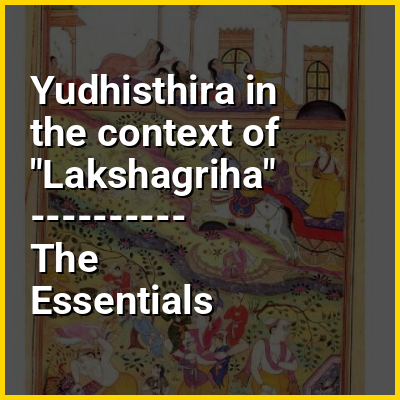
Yudhishthira was the son of Kunti, the first wife of King Pandu, fathered by the god Yama due to Pandu's inability to have children. Yudhishthira held a strong belief in dharma (morals and virtues) and was chosen as the crown prince of Kuru. But after the Lakshagriha incident, he was presumed dead and his cousin Duryodhana was appointed as the new heir. The kingdom was split in half due to a succession dispute between Yudhishthira and Duryodhana. Yudhishthira received the barren half, which he later transformed into the magnificent city of Indraprastha.
↓ Menu
HINT:

In this Dossier

Yudhisthira in the context of Ashvamedha

The Ashvamedha (Sanskrit: अश्वमेध, romanizedaśvamedha) was a horse sacrifice ritual followed by the Śrauta tradition of Vedic religion. It was used by ancient Indian kings to prove their imperial sovereignty: a horse accompanied by the king's warriors would be released to wander for a year. In the territory traversed by the horse, any rival could dispute the king's authority by challenging the warriors accompanying it. After one year, if no enemy had managed to kill or capture the horse, the animal would be guided back to the king's capital. It would be then sacrificed, and the king would be declared as an undisputed sovereign.

The ritual is recorded as being held by many ancient rulers, but apparently only by two in the last thousand years. The most recent ritual was in 1741, the second one held by Maharajah Jai Singh II of Jaipur.

View the full Wikipedia page for Ashvamedha
↑ Return to Menu