Sporophyll in the context of Sporangia


Sporophyll in the context of Sporangia

⭐ Core Definition: Sporophyll

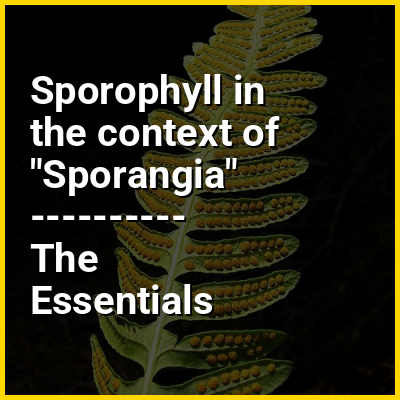
In botany, a sporophyll is a leaf that bears sporangia. Both microphylls and megaphylls can be sporophylls. In heterosporous plants, sporophylls (whether they are microphylls or megaphylls) bear either megasporangia and thus are called megasporophylls, or microsporangia and are called microsporophylls. The overlap of the prefixes and roots makes these terms a particularly confusing subset of botanical nomenclature.

Sporophylls vary greatly in appearance and structure, and may or may not look similar to sterile leaves. Plants that produce sporophylls include:
↓ Menu
HINT:

In this Dossier

Sporophyll in the context of Floral morphology

In botany, floral morphology is the study of the diversity of forms and structures presented by the flower, which, by definition, is a branch of limited growth that bears the modified leaves responsible for reproduction and protection of the gametes, called floral pieces.

Fertile leaves or sporophylls carry sporangiums, which will produce male and female gametes and therefore are responsible for producing the next generation of plants. The sterile leaves are modified leaves whose function is to protect the fertile parts or to attract pollinators. The branch of the flower that joins the floral parts to the stem is a shaft called the pedicel, which normally dilates at the top to form the receptacle in which the various floral parts are inserted.

View the full Wikipedia page for Floral morphology
↑ Return to Menu