An artificial reef (AR) is a human-created freshwater or marine benthic structure.Typically built in areas with a generally featureless bottom to promote marine life, it may be intended to control erosion, protect coastal areas, block ship passage, block the use of trawling nets, support reef restoration, improve aquaculture, or enhance scuba diving and surfing. Early artificial reefs were built by the Persians and the Romans.
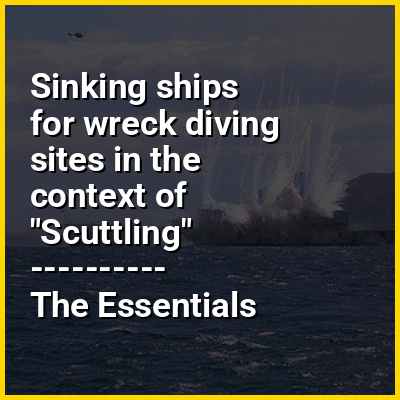
An opportunity artificial reef is built from objects that were intended for other purposes, such as sinking oil rigs (through the Rigs-to-Reefs program), scuttling ships, or by deploying rubble or construction debris. Shipwrecks may become artificial reefs when preserved on the seafloor. A conventional artificial reef uses materials such as concrete, which can be molded into specialized forms (e.g. reef balls). Green artificial reefs incorporate renewable and organic materials such as vegetable fibres and seashells to improve sustainability and reduce energy consumption, pollution, and greenhouse gas emissions. In some cases, artificial reefs have been developed as artworks.