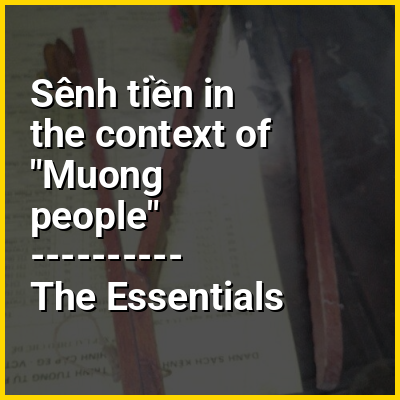
The sênh tiền or sinh tiền (formerly called phách sâu tiền or phách quán tiền) is a clapper used in Vietnamese traditional instrumental and vocal music. It is a combination of clapper, rasp, and jingle made from three pieces of hardwood and old Chinese coins. It is also played among the Muong people.
HINT:
In this Dossier
Sênh tiền in the context of Clapper (musical instrument)
A clapper is a basic form of percussion instrument. It consists of two long solid pieces that are struck together producing sound. They exist in many forms in many different cultures around the world. Clappers can take a number of forms and be made of a wide variety of material. Wood is most common, but metal and ivory have also been used. The plastic thundersticks that have recently come to be popular at sporting events can be considered a form of inflated plastic clapper.
Several specific forms of clapper have their own names, such as the Chinese guban, Japanese hyoshigi, or the Korean bak. In the classical music of Thailand, a similar instrument is called krap. In India cooking tongs or cimṭā are often used to provide rhythm while singing religious hymns in many areas (sometimes tongs made specifically for the purpose are also equipped with bells). In Vietnam, the coin clapper called sinh tiền is widely used. In medieval French music, clappers called tablettes or cliquettes were used. In the Western symphony orchestra, a clapper called the whip (also called slapstick) is occasionally used in the percussion section.
View the full Wikipedia page for Clapper (musical instrument)