Reykjanes peninsula in the context of Grindavík


Reykjanes peninsula in the context of Grindavík

⭐ Core Definition: Reykjanes peninsula

Southern Peninsula (Icelandic: Suðurnes, pronounced [ˈsʏːðʏrˌnɛːs] ) is an administrative unit and part of Reykjanesskagi (pronounced [ˈreiːcaˌnɛsˌskaijɪ]), or Reykjanes Peninsula, a region in southwest Iceland. It was named after Reykjanes, the southwestern tip of Reykjanesskagi.

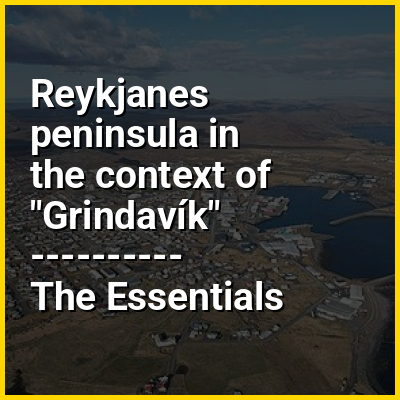
The region has a population of 30,933 (2024) and is one of the more densely populated parts of the island. The administrative centre is Keflavík, which had 7,000 residents when it merged with the nearby town of Njarðvík and Hafnir in 1995 to create Reykjanesbær, which is the largest settlement outside the Greater Reykjavík area; in 2018, the region had a population of 17,805. The region is the location of Keflavík International Airport, the major point of entry for Iceland. Some fishing towns, such as Grindavík, Njarðvík and Sandgerði, are situated on the peninsula.
↓ Menu
HINT:

In this Dossier

Reykjanes peninsula in the context of Lava channel

A lava channel is a stream of fluid lava contained within zones of static (i.e., solid and stationary) lava or lava levees. The initial channel may not contain levees per se, until the parental flow solidifies over what develops into the channel and creates natural levees. This initial levee allows for the building of a more complex levee and channel. As the lava flows through the channel, the elevation of the surface of the lava flow pulsates and lava can possibly flood the associated channel walls spilling out of the channel and over the existing levees, creating what is known as overflow levees. Overflow levees increase the height and width of the original levee. The lava that flows in lava channels is commonly basaltic in composition.

View the full Wikipedia page for Lava channel
↑ Return to Menu