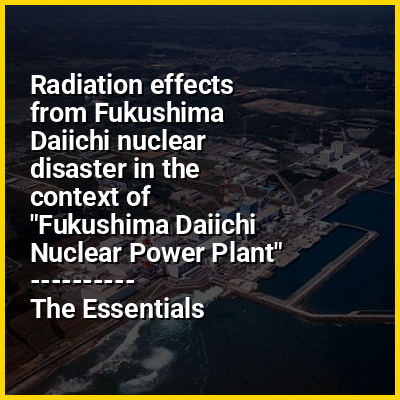
The radiation effects from the Fukushima nuclear accident are the observed and predicted effects as a result of the release of radioactive isotopes from the Fukushima Daiichi Nuclear Power Plant following the 2011 Tōhoku earthquake and tsunami. The release of radioactive isotopes from reactor containment vessels was a result of venting in order to reduce gaseous pressure, and the discharge of coolant water into the sea. This resulted in Japanese authorities implementing a 30 km exclusion zone around the power plant and the continued displacement of approximately 156,000 people as of early 2013. The number of evacuees has declined to 49,492 as of March 2018. Radioactive particles from the incident, including iodine-131 and caesium-134/137, have since been detected at atmospheric radionuclide sampling stations around the world, including in California and the Pacific Ocean.
Preliminary dose-estimation reports by the World Health Organization (WHO) and the United Nations Scientific Committee on the Effects of Atomic Radiation (UNSCEAR) indicate that, outside the geographical areas most affected by radiation, even in locations within Fukushima Prefecture, the predicted risks remain low and no observable increases in cancer above natural variation in baseline rates are anticipated. In comparison, after the Chernobyl reactor accident, only 0.1% of the 110,000 cleanup workers surveyed have so far developed leukemia, although not all cases resulted from the accident. However, 167 Fukushima plant workers received radiation doses that slightly elevate their risk of developing cancer. Estimated effective doses from the accident outside of Japan are considered to be below, or far below the dose levels regarded as very small by the international radiological protection community. The United Nations Scientific Committee on the Effects of Atomic Radiation is expected to release a final report on the effects of radiation exposure from the accident by the end of 2013.