Khoikhoi (/ˈkɔɪkɔɪ/ KOY-koy) (or Khoekhoe in Namibian orthography) are the traditionally nomadic pastoralist indigenous population of South Africa. They are often grouped with the hunter-gatherer San (literally "foragers") peoples, the accepted term for the two people being Khoisan. The designation "Khoikhoi" is actually a kare or praise address, not an ethnic endonym, but it has been used in the literature as an ethnic term for Khoe-speaking peoples of Southern Africa, particularly pastoralist groups, such as the Inqua, Griqua, Gonaqua, Nama, Attequa. The Khoekhoe were once known as Hottentots, a term now considered offensive.
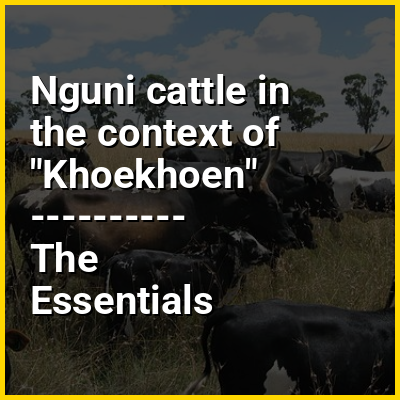
The Khoekhoe are thought to have diverged from other humans 100,000 to 200,000 years ago. In the 17th century, the Khoekhoe maintained large herds of Nguni cattle in the Cape region. They mostly gave up nomadic pastoralism in the 19th to 20th century.
View the full Wikipedia page for Khoekhoe