Hungarian culture in the context of "Sándor Márai"

Play Trivia Questions online!

or

Skip to study material about Hungarian culture in the context of "Sándor Márai"


⭐ Core Definition: Hungarian culture

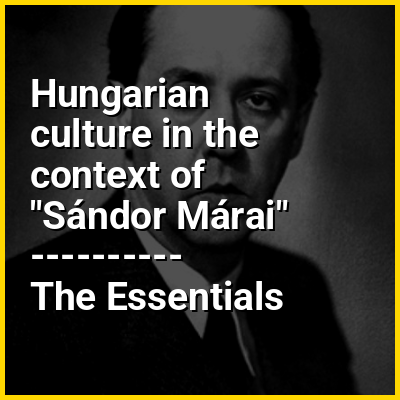
Hungarian culture, also known as Magyar culture, is characterized by its distinctive cuisine, folk traditions, poetry, theatre, religious customs, music and traditional embroidered garments. Hungarian folklore traditions include tales, music, dance, decorated pottery, carvings and embroidery. Historically, Hungarian music has largely consisted of folk music and classical pieces. Whilst the Hungarian language is classified as Ugric, Hungarian culture exhibits enduring Turkic elements, stemming not only from being under Ottoman rule, but also from earlier interactions and affiliations with Turkic peoples. Noted Hungarian authors include Sándor Márai, Imre Kertész, Péter Esterházy, Magda Szabó and János Kodolányi. Imre Kertész is particularly noteworthy for having won the Nobel Prize in Literature in 2002.

↓ Menu

In this Dossier

Hungarian culture in the context of Hungarian Reformed

The Reformed Church in Hungary (Hungarian: Magyarországi Református Egyház, MRE, pronounced [ˈmɒɟɒrorsaːgi ˈrɛformaːtuʃ ˈɛɟhaːz]) is the largest Protestant church in Hungary, with parishes also among the Hungarian diaspora abroad. It is made up of 1,249 congregations in 27 presbyteries and four church districts and has a membership of over 1.6 million, making it the second largest Christian church in Hungary after the Catholic Church. As a Continental Reformed church, its doctrines and practices reflect a Calvinist theology, for which the Hungarian term is református (pronounced [ˈrɛformaːtuʃ]).

The Hungarian Reformed Church became the symbol of national Hungarian culture, since it led to the translation of the Bible into the Hungarian language by Hussite pastors, and contributed to the education of the population through its school system.

↑ Return to Menu