Haplogroup J-M267 in the context of Satsurblia Cave


Haplogroup J-M267 in the context of Satsurblia Cave

⭐ Core Definition: Haplogroup J-M267

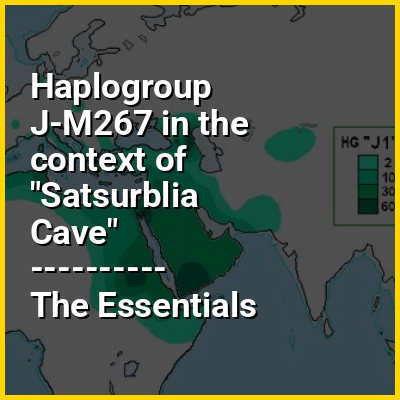
Haplogroup J-M267, also commonly known as Haplogroup J1, is a subclade (branch) of Y-DNA haplogroup J-P209 (commonly known as haplogroup J) along with its sibling clade haplogroup J-M172 (commonly known as haplogroup J2). (All these haplogroups have had other historical names listed below.)

The oldest J-M267 positive remains found so far are from a Caucasus Hunter-Gatherer from Satsurblia cave, Georgia.
↓ Menu
HINT:

In this Dossier

Haplogroup J-M267 in the context of Haplogroup J (Y-DNA)

Haplogroup J-M304, also known as J, is a human Y-chromosome DNA haplogroup. It is believed to have evolved in the Caucasus or Iran. The clade spread from there during the Neolithic, primarily into North Africa, the Horn of Africa, the Socotra Archipelago, Europe, Anatolia, Central Asia, South Asia, and Southeast Asia.

Haplogroup J-M304 is divided into two main subclades (branches), J-M267 and J-M172.

View the full Wikipedia page for Haplogroup J (Y-DNA)
↑ Return to Menu