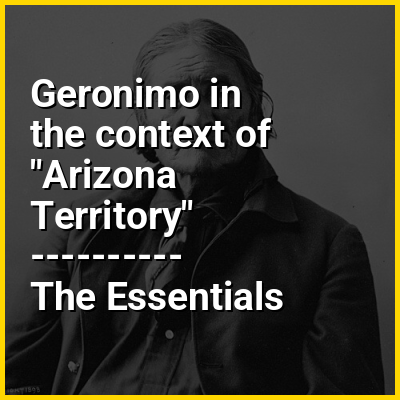
Gerónimo (Mescalero-Chiricahua: Goyaałé, lit. 'the one who yawns', Athapascan pronunciation: [kòjàːɬɛ́]; June 16, 1829 – February 17, 1909) was a military leader and medicine man from the Bedonkohe band of the Ndendahe Apache people. From 1850 to 1886, Geronimo joined with members of three other Central Apache bands – the Tchihende, the Tsokanende (called Chiricahua by Americans) and the Nednhi – to carry out numerous raids, as well as fight against Mexican and U.S. military campaigns in the northern Mexico states of Chihuahua and Sonora and in the southwestern American territories of New Mexico and Arizona.
Geronimo's raids and related combat actions were a part of the prolonged period of the Apache–United States conflict, which started with the Americans continuing to take land, including Apache lands, following the end of the war with Mexico in 1848. Reservation life was confining to the free-moving Apache people, and they resented restrictions on their customary way of life. Geronimo led breakouts from the reservations in attempts to return his people to their previous nomadic lifestyle. During Geronimo's final period of conflict from 1876 to 1909, he surrendered three times and eventually accepted life on the Apache reservations. While well-known, Geronimo was not a chief of the Bedonkohe band of the Central Apache but a shaman, as was Nokay-doklini among the Western Apache. However, since he was a superb leader in raiding and warfare, he frequently led large parties of 30 to 50 Apache warriors.