Feminine hygiene in the context of Menstrual sponge


Feminine hygiene in the context of Menstrual sponge

⭐ Core Definition: Feminine hygiene

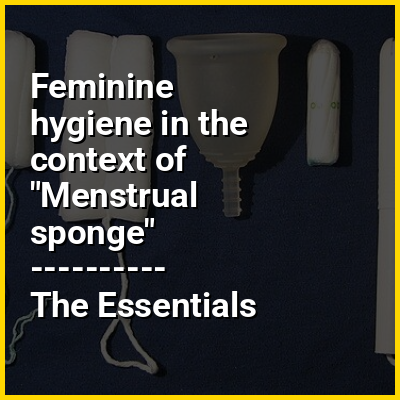
Feminine hygiene products are personal care products used for women's hygiene during menstruation, vaginal discharge, or other bodily functions related to the vulva and vagina. Products that are used during menstruation may also be called menstrual hygiene products, including menstrual pads, tampons, pantyliners, menstrual cups, menstrual sponges and period panties.

Feminine hygiene products are either disposable or reusable. Sanitary napkins, tampons, and pantyliners are disposable feminine hygiene products. Menstrual cups, cloth menstrual pads, period panties, and sponges are reusable feminine hygiene products.

↓ Menu
HINT:

In this Dossier

Feminine hygiene in the context of Fecal sludge management

Fecal sludge management (FSM) (or faecal sludge management in British English) is the storage, collection, transport, treatment and safe end use or disposal of fecal sludge. Together, the collection, transport, treatment and end use of fecal sludge constitute the "value chain" or "service chain" of fecal sludge management. Fecal sludge is defined very broadly as what accumulates in onsite sanitation systems (e.g. pit latrines, septic tanks and container-based solutions) and specifically is not transported through a sewer. It is composed of human excreta, but also anything else that may go into an onsite containment technology, such as flushwater, cleansing materials (e.g. toilet paper and anal cleansing materials), menstrual hygiene products, grey water (i.e. bathing or kitchen water, including fats, oils and grease), and solid waste. Fecal sludge that is removed from septic tanks is called septage.

It is estimated that one-third of the world's population is served by onsite sanitation, and that in low-income countries less than 10% of urban areas are served by sewers. In low-income countries, the majority of fecal sludge is discharged untreated into the urban environment, placing a huge burden on public and environmental health. Hence, FSM plays a critical role in safely managed sanitation and the protection of public health. FSM services are provided by a range of formal and informal private sector services providers, local governments, water authorities, and public utilities. This can also result in unreliable services with relatively high costs at the household level.

View the full Wikipedia page for Fecal sludge management
↑ Return to Menu

Feminine hygiene in the context of Menstruation

Menstruation (also known as a period, among other colloquial terms) is the regular discharge of blood and mucosal tissue from the inner lining of the uterus through the vagina. The menstrual cycle is characterized by the rise and fall of hormones. Menstruation is triggered by falling progesterone levels, and is a sign that pregnancy has not occurred. Feminine hygiene products are used in order to maintain hygiene during menses.

The first period, a point in time known as menarche, usually begins during puberty, between the ages of 11 and 13. However, menstruation starting as young as eight years would still be considered normal. The average age of the first period is generally later in the developing world, and earlier in the developed world. The typical length of time between the first day of one period and the first day of the next is 21 to 45 days in young women; in adults, the range is between 21 and 35 days with the average often cited as 28 days. In the largest study of menstrual app data, the mean menstrual cycle length was determined to be 29.3 days. Bleeding typically lasts two to seven days. Periods stop during pregnancy and typically do not resume during the initial months of breastfeeding. Lochia occurs after childbirth. Menstruation, and with it the possibility of pregnancy, ceases after menopause, which usually occurs between 45 and 55 years of age.

View the full Wikipedia page for Menstruation
↑ Return to Menu

Feminine hygiene in the context of Menstrual pad

A menstrual pad is an absorbent item worn in the underwear when menstruating, bleeding after giving birth, recovering from gynecologic surgery, experiencing a miscarriage or abortion, or in any other situation where it is necessary to absorb a flow of blood from the vagina. A menstrual pad is a type of menstrual hygiene product that is worn externally, unlike tampons and menstrual cups, which are worn inside the vagina. Pads are generally changed by being stripped off the pants and panties, taking out the old pad, sticking the new one on the inside of the panties and pulling them back on. Pads are recommended to be changed every 3–4 hours to avoid certain bacteria that can fester in blood; this time also may differ depending on the kind worn, flow, and the time it is worn.

Menstrual pads are made from a range of materials, differing depending on style, country of origin, and brand. The pads are not the same as incontinence pads, which generally have higher absorbency and are worn by those who have urinary incontinence problems. Although menstrual pads are not made for this use, some use them for this purpose.

View the full Wikipedia page for Menstrual pad
↑ Return to Menu

Feminine hygiene in the context of Tampon

A tampon is a menstrual product designed to absorb blood and vaginal secretions by insertion into the vagina during menstruation. Unlike a pad, it is placed internally, inside of the vaginal canal. Once inserted correctly, a tampon is held in place by the vagina and expands as it soaks up menstrual blood.

As tampons also absorb the vagina's natural lubrication and bacteria in addition to menstrual blood, they can increase the risk of toxic shock syndrome by changing the normal pH of the vagina and increasing the risk of infections from the bacterium Staphylococcus aureus. TSS is a rare but life-threatening infection that requires immediate medical attention.

View the full Wikipedia page for Tampon
↑ Return to Menu