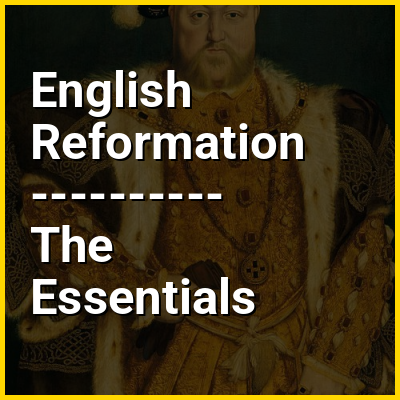
The English Reformation began in 16th-century England when the Church of England broke away first from the authority of the pope and bishops over the King and then from some doctrines and practices of the Catholic Church. These events were part of the wider European Reformation: various religious and political movements that affected both the practice of Christianity in Western and Central Europe and relations between church and state.
The English Reformation began as more of a political affair than a theological dispute. In 1527 Henry VIII sought an annulment of his marriage, but Pope Clement VII refused. In response, the Reformation Parliament (1529–1536) passed laws abolishing papal authority in England and declared Henry to be head of the Church of England. Final authority in doctrinal disputes now rested with the monarch. Though a religious traditionalist himself, Henry relied on Protestants to support and implement his religious agenda.