Zooxanthellae (; sg. zooxanthella) is a colloquial term for single-celled photosynthetic organisms that are able to live in symbiosis with diverse marine invertebrates including corals, jellyfish, demosponges, and nudibranchs. Most known zooxanthellae are in the dinoflagellate genus Symbiodinium, but some are known from the genus Amphidinium, and other taxa, as yet unidentified, may have similar endosymbiont affinities. "Zooxanthella" was originally a genus name (meaning literally "little yellow animal") given in 1881 by Karl Brandt to Zooxanthella nutricula (a mutualist of the radiolarian Collozoum inerme) which has been placed in the Peridiniales. Another group of unicellular eukaryotes that partake in similar endosymbiotic relationships in both marine and freshwater habitats are green algae zoochlorellae.
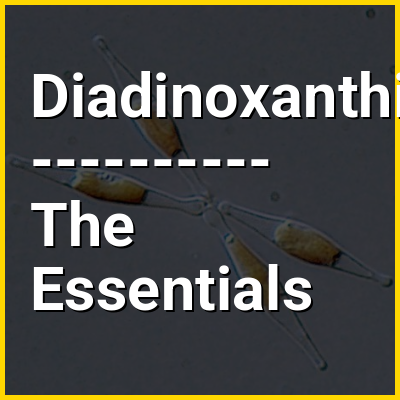
Zooxanthellae are photosynthetic organisms, which contain chlorophyll a and chlorophyll c, as well as the dinoflagellate pigments peridinin and diadinoxanthin. These provide the yellowish and brownish colours typical of many of the host species. During the day, they provide their host with the organic carbon products of photosynthesis, sometimes providing up to 90% of their host's energy needs for metabolism, growth and reproduction. In return, they receive nutrients, carbon dioxide, and an elevated position with access to sunlight.
View the full Wikipedia page for Zooxanthellae