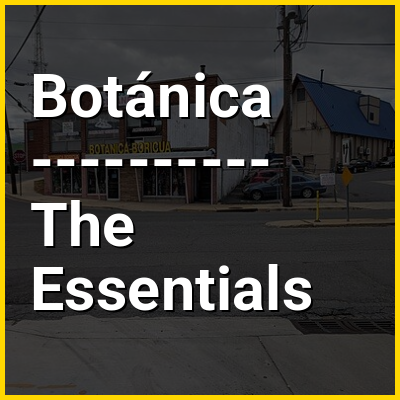
A botánica (often written botanica and less commonly known as a hierbería or botica) is a religious goods store. The name botánica is Spanish and translates as "botany" or "plant store," referring to these establishments' function as dispensaries of medicinal herbs. Botánicas are common in many Hispanic American countries and Latino communities around the world. Such establishments sell folk medicine, herbs, candles, and statues for Saints and popular gods. They also carry oils, incense, perfumes, and books. Such stores have become increasingly popular in the United States as the Latino communities they serve have grown in that country. A botánica is a site of healing and support, such that one owner says they are a "place of mysteries" due to the metaphysical appreciation of mystery as a synonym for spirit and divinity.
Most botánicas sell products and services associated with spiritual practices such as Candomblé, Curanderismo, Espiritismo, Macumba, Palo Monte, Santa Muerte, María Lionza and Santería. Whether these items are viewed as cultural imports or adaptive responses on the part of immigrants to a new social environment, the majority of these products and services are used by those who seek guidance in their spiritual and social lives. Botánicas provide their patrons with access to power: power from the natural world, the social world, and the world of the spirits. Devotees, in turn, use this power to meet the challenges of ordinary life: problems of health, wealth, and love. People come to the botánica with a host of struggles and problems, and the botánica offers hope from these troubles.