Almeria in the context of Sierra de Gádor


Almeria in the context of Sierra de Gádor

⭐ Core Definition: Almeria

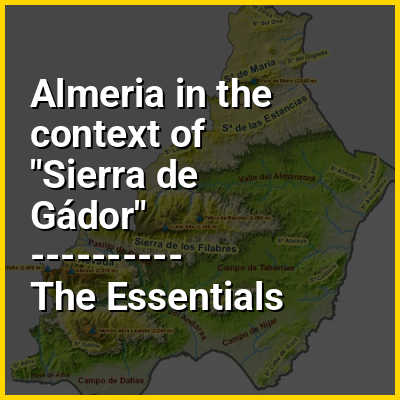
Almería (UK: /ˌælməˈrə/, US also /ˌɑːl-/, Spanish: [almeˈɾi.a] ) is a city and municipality of Spain, located in Andalusia. It is the capital of the province of the same name. The city lies in southeastern Iberia, extending primarily in between the eastern fringes of the Sierra de Gádor and the Andarax riverbed along the coastline of the Gulf of Almería, a large inlet of the Mediterranean Sea. The municipality has a population of 201,946.

Caliph Abd al-Rahman III founded the city in 955. The city grew wealthy during the Islamic era, becoming a world city throughout the 11th and 12th centuries. It enjoyed an active port that traded silk, oil, and raisins. This period was brought to an end with the 1147 conquest of the city by a Christian coalition. Control over Almería switched hands over the rest of the middle ages. In the early modern period, with the onset of Barbary piracy, the ethnic cleansing of moriscos in the Kingdom of Granada, and several natural calamities, urban decay accrued. The 19th-century reactivation of mining activity (lead) in the hinterland fostered commercial activity and demographic growth.
↓ Menu
HINT:

In this Dossier

Almeria in the context of Aragonese conquest of Sardinia

The Aragonese conquest of Sardinia took place between 1323 and 1326. The island of Sardinia was at the time subject to the influence of the Republic of Pisa, the Pisan della Gherardesca family, Genoa and of the Genoese families of Doria and the Malaspina; the only native political entity survived was the Judicate of Arborea, allied with the Crown of Aragon. The financial difficulties due to the wars in Sicily (until 1295), the conflict with the Crown of Castile in the land of Murcia and Alicante (1296–1304) and the failed attempt to conquer Almeria (1309) explain the delay of James II of Aragon in bringing the conquest of Sardinia, enfeoffed to him by Pope Boniface VIII in 1297.

The possession of the island of Sardinia was crucial for the Crown of Aragon. Sardinia was abundant of natural resources like silver and salt and had a thriving agro-pastoral economy; also its geographical location ensured more control over the western Mediterranean and the island itself was an indispensable basis for the creation of so-called ruta de las islas (route of the islands) that allowed to halve the time of sailing to reach the rich markets of the Eastern Mediterranean.

View the full Wikipedia page for Aragonese conquest of Sardinia
↑ Return to Menu