Adenosine receptor in the context of Adenosine A3 receptor


Adenosine receptor in the context of Adenosine A3 receptor

⭐ Core Definition: Adenosine receptor

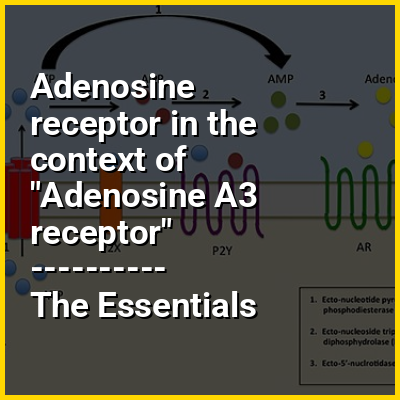
The adenosine receptors (or P1 receptors) are a class of purinergic G protein-coupled receptors with adenosine as the endogenous ligand. There are four known types of adenosine receptors in humans: A1, A2A, A2B and A3; each is encoded by a different gene.

The adenosine receptors are commonly known for their antagonists caffeine, theophylline, and theobromine, whose action on the receptors produces the stimulating effects of coffee, tea and chocolate.

↓ Menu
HINT:

In this Dossier

Adenosine receptor in the context of Caffeine

Caffeine is a central nervous system (CNS) stimulant of the methylxanthine class and is the most commonly consumed psychoactive substance globally. It is mainly used for its eugeroic (wakefulness promoting), ergogenic (physical performance-enhancing), or nootropic (cognitive-enhancing) properties; it is also used recreationally or in social settings. Caffeine acts by blocking the binding of adenosine at a number of adenosine receptor types, inhibiting the centrally depressant effects of adenosine and enhancing the release of acetylcholine. Caffeine has a three-dimensional structure similar to that of adenosine, which allows it to bind and block its receptors. Caffeine also increases cyclic AMP levels through nonselective inhibition of phosphodiesterase, increases calcium release from intracellular stores, and antagonizes GABA receptors, although these mechanisms typically occur at concentrations beyond usual human consumption.

Caffeine is a bitter, white crystalline purine, a methylxanthine alkaloid, and is chemically related to the adenine and guanine bases of deoxyribonucleic acid (DNA) and ribonucleic acid (RNA). It is found in the seeds, fruits, nuts, or leaves of a number of plants native to Africa, East Asia, and South America and helps to protect them against herbivores and from competition by preventing the germination of nearby seeds, as well as encouraging consumption by select animals such as honey bees. The most common sources of caffeine for human consumption are the tea leaves of the Camellia sinensis plant and the coffee bean, the seed of the Coffea plant. Some people drink beverages containing caffeine to relieve or prevent drowsiness and to improve cognitive performance. To make these drinks, caffeine is extracted by steeping the plant product in water, a process called infusion. Caffeine-containing drinks, such as tea, coffee, and cola, are consumed globally in high volumes. In 2020, almost 10 million tonnes of coffee beans were consumed globally. Caffeine is the world's most widely consumed psychoactive drug. Unlike most other psychoactive substances, caffeine remains largely unregulated and legal in nearly all parts of the world. Caffeine is also an outlier as its use is seen as socially acceptable in most cultures and is encouraged in some.

View the full Wikipedia page for Caffeine
↑ Return to Menu

Adenosine receptor in the context of Sense of impending doom

A sense of impending doom is a medical symptom that consists of an intense feeling that something life-threatening or tragic is about to occur, despite no apparent danger. Causes can be either psychological or physiological. Psychological causes can include an anxiety disorder (e.g., panic disorder), depression, or bipolar disorder. A sense of impending doom often precedes or accompanies a panic attack. Physiological causes could include a pheochromocytoma, heart attack, blood transfusion, anaphylaxis, or use of some psychoactive substances. The feeling can also be a transient side effect of adenosine administration, likely due to its activation of adenosine receptors. Due to adenosine's extremely short half-life, this effect is typically short-lived. A sense of impending doom can also present itself as a postoperative complication encountered after surgery.

View the full Wikipedia page for Sense of impending doom
↑ Return to Menu

Adenosine receptor in the context of Theobromine

Theobromine, also known as xantheose, is the principal alkaloid of Theobroma cacao (cacao plant). Theobromine is slightly water-soluble (330 mg/L) with a bitter taste. In industry, theobromine is used as an additive and precursor to some cosmetics. It is found in chocolate and several other foods, including tea (Camellia sinensis), some American hollies (yaupon and guayusa) and the kola nut. It is a white or colourless solid, but commercial samples can appear yellowish.

Theobromine, a metabolite of caffeine, is processed in the liver into xanthine and methyluric acid, peaks in the blood 2–3 hours after ingestion due to its fat solubility, and primarily acts by inhibiting adenosine receptors with minor phosphodiesterase inhibition. It is a mild heart stimulant and bronchodilator in humans with limited central nervous system effects. It can be toxic or fatal to animals like dogs and cats due to their slower metabolism of the compound.

View the full Wikipedia page for Theobromine
↑ Return to Menu