Roșia Montană (Romanian pronunciation: [ˈroʃi.a monˈtanə], "Roșia of the Mountains"; Latin: Alburnus Maior; Hungarian: Verespatak, [ˈvɛrɛʃpɒtɒk]; German: Goldbach, Rotseifen) is a commune of Alba County in the Apuseni Mountains of western Transylvania, Romania. It is located in the Valea Roșiei, through which the small river Roșia Montană flows. The commune is composed of sixteen villages: Bălmoșești, Blidești, Bunta, Cărpiniș (Abrudkerpenyes), Coasta Henții, Corna (Szarvaspatak), Curături, Dăroaia, Gârda-Bărbulești, Gura Roșiei (Verespataktorka), Iacobești, Ignățești, Roșia Montană, Șoal, Țarina, and Vârtop (Vartop).
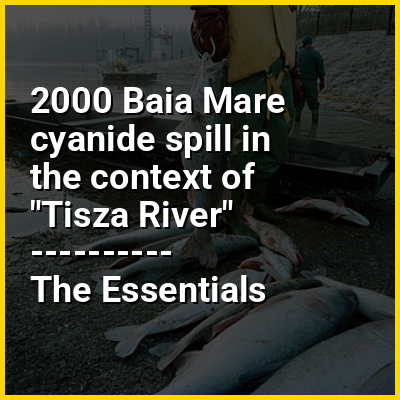
The rich mineral resources of the area have been exploited since Roman times or before. The state-run gold mine closed in late 2006 in advance of Romania's accession to the European Union. Gabriel Resources of Canada plan to open a new mine. This has caused controversy on one hand over the extent to which remains of Roman mining would be preserved and over fears of a repeat of the cyanide pollution at Baia Mare and on the other, over the benefits that mining would bring to this poor and underdeveloped part of the country.
View the full Wikipedia page for Roșia Montană